


PROGESTERONE: A Body-Identical Hormone for Safer Menopausal Symptom Management
- purity carr
- Dec 3, 2023
- 2 min read

Updated: Jun 14, 2024
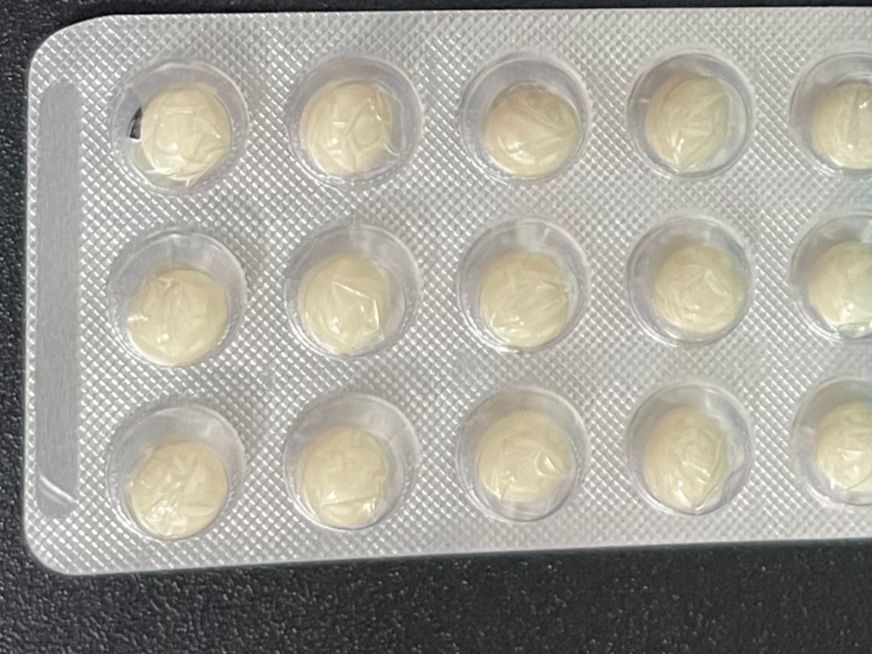
Progesterone is formulated from the Mexican yam, which has a chemical with the same molecular formula as our own progesterone. It is a type of progesterone categorized as "micronized progesterone." It shares a molecular structure identical to the natural hormone progesterone found in the human body. This quality makes it a "body identical" hormone, distinct from unregulated, compounded bioidentical hormones. Women undergoing hormone replacement therapy (HRT) with an intact uterus typically require a progestogen like progesterone to counteract the effects of estrogen and minimize associated risks. Essentially, if you have a womb and you are taking estrogen, it is necessary to also take progesterone.
How is Progesterone taken?
Progesterone is available in 100 mg capsules, and the recommended dosage can vary:
For women who have had periods in the last 6-12 months: The usual dose is two 100 mg capsules taken together each evening for two out of four weeks on a repeating basis. However, taking one daily at night and stopping for 3 days when periods start works well in perimenopause.
For women without periods for over a year: The usual dose is taking one 100 mg capsule daily for 25 days, followed by 3 days off. However, for ease of taking and for the continued benefit of helping with sleep, taking one daily without a break is the common practice.
Progesterone is preferably taken on an empty stomach to optimize absorption. If your stomach is not empty, your sleep may not be as restful, and you may experience bloating the next day. This is because the absorption of progesterone is increased when taken on an empty stomach.
Are there side effects with Progesterone?
Initial side effects may include vaginal bleeding, abdominal bloating, lower abdominal discomfort, or breast tenderness. If these symptoms persist or worsen, seeking guidance from a menopause doctor or GP is advisable. Some women may also experience mood changes, though this has become less common with advancements in formulations. Discussing alternative options with a healthcare professional is recommended if mood changes persist.
Advantages of Progesterone compared to older progestins:
As a body-identical hormone, progesterone generally causes fewer side effects than older progestins. Studies indicate that women taking progesterone do not have a higher risk of blood clots or heart disease compared to older progestins.
Additionally, the small increased risk of breast cancer associated with HRT appears to be lower for progesterone in the first five years. Beyond this period, the risk is very low, even lower than with older progestins.
In summary, progesterone offers a favorable side-effect profile and reduced risks compared to older progestogens, providing women with a safer and effective option for managing menopausal symptoms. Always consult with a healthcare professional for personalized advice and guidance.

By Dr. Purity Carr
GP & Menopause Doctor
Harvey, Western Australia


Comments