top of page

Why HRT works Really well for Menopausal Depression & Anxiety, PMS, PMDD

Updated: Jun 14, 2024


Comparing estrogen-based treatments to antidepressants involves considering various factors, and it's essential to recognize that these treatments may have different mechanisms of action. Here are some points of comparison:

Mechanism of Action:

  • Antidepressants: Antidepressant medications work by influencing the levels of neurotransmitters (such as serotonin, norepinephrine, and dopamine) in the brain. They help regulate mood by affecting the communication between nerve cells.

  • Estrogen: Estrogen, on the other hand, may have more indirect effects on mood. It can influence neurotransmitter levels, promote neuroplasticity, and have anti-inflammatory effects. The mechanisms by which estrogen affects mood are complex and not fully understood.

  • Antidepressants: Antidepressants are specifically designed to treat depression and, in some cases, anxiety disorders. They are often prescribed for individuals with diagnosed mood disorders.

  • Estrogen: Estrogen may be used in certain cases to manage mood symptoms associated with hormonal fluctuations, such as those occurring during the menstrual cycle or menopause. It's not typically prescribed solely for depression or anxiety.

  • Antidepressants: Antidepressants can have a range of side effects, including nausea, insomnia, weight changes, sexual dysfunction, and others. The specific side effects depend on the type of antidepressant and individual response.

  • Estrogen: Estrogen therapy may be associated with its own set of side effects, including an increased risk of blood clots, cardiovascular issues, and breast cancer. The risks and benefits of estrogen therapy should be carefully considered, especially in the context of menopausal hormone therapy.

  • Antidepressants: Individual responses to antidepressants can vary significantly. It may take some time to find the right medication and dosage, and adjustments may be needed based on the individual's response and any side effects.

  • Estrogen: Similarly, individual responses to estrogen therapy can vary. Some individuals may experience improvements in mood, while others may not respond as favorably.

  • Antidepressants: Antidepressants are commonly prescribed for both men and women and are not specific to gender.

  • Estrogen: Estrogen-based treatments, such as hormone replacement therapy, are typically used in women, especially during menopause, to manage symptoms associated with hormonal changes.

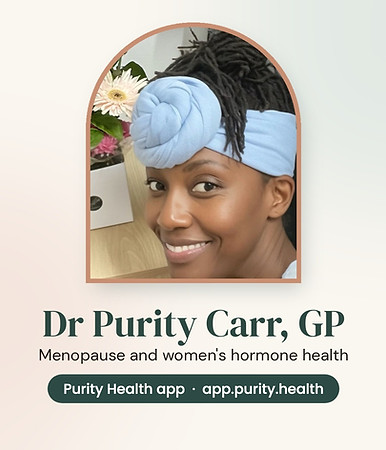
By Dr Purity Carr

GP and menopause Doctor

Harvey , WA

Comments


Welcome to Purity Health Women’s Menopause and Wellbeing Centre™

At Purity Health, we believe in living life to the fullest. Dr Purity Menopause Clinic, in association with Samy Medical Group, is dedicated to providing safe, evidence based information and care in perimenopause, menopause, histamine related conditions, and metabolic health.

We recognise that there are many myths and misunderstandings surrounding menopause and Hormone Replacement Therapy, HRT. One commonly repeated belief is that oestrogen causes breast cancer. This is an oversimplification and does not reflect the full body of evidence.

Here is the truth.

At Dr Purity Carr Menopause Clinic, we are committed to providing accurate information and personalised care.

Follow us on #drpuritycarr

Extensive evidence shows that for women within 10 years of menopause or under the age of 60, the benefits of HRT generally outweigh the risks.

For women who start HRT during perimenopause or within 10 years of menopause, there is often no need to stop purely based on age. Ongoing use should be individualised and guided by clinical review.

Even for women who are further beyond menopause or over 60, starting HRT may still be considered under the guidance of a knowledgeable practitioner, with careful assessment of risks and benefits.

A Broader Approach to Women’s Health

Dr Purity is a General Practitioner with a special interest in menopause care, taking a holistic, systems based approach to women’s health.

In addition to menopause, her work now includes:

Hormone health, including perimenopause and menopause
Histamine related conditions, including suspected mast cell activation patterns
Metabolic health, including weight management, insulin resistance, and inflammation
The interaction between hormones, the immune system, and the nervous system

Many women experience symptoms that do not sit neatly within one system. Hormones do not operate in isolation. There is often an overlap between hormonal changes, histamine activity, and metabolic dysfunction. This integrated approach allows for a deeper understanding of symptoms such as fatigue, anxiety, poor sleep, weight gain, brain fog, and chronic inflammation.


Dr Purity’s Focus on Care

Dr Purity focuses specifically on menopause, histamine balance, and metabolic health. She works to identify underlying drivers of symptoms and supports women through evidence based, personalised care.

Please note that Dr Purity does not replace your general practitioner. The experienced doctors at Samy Medical, part of the same medical system as Purity Health, are available to manage your broader healthcare needs.

bottom of page